

Unlocking Peak Performance: How Hypnosis Enhances Athletic Focus, Confidence, and Results
Mar 14, 2026
Athletic performance isn’t just physical – it’s deeply mental. While strength, endurance, and skill matter, many athletes discover that their biggest breakthroughs (and setbacks) happen in the mind. Self-doubt before competition, loss of focus under pressure, performance anxiety, or difficulty recovering from mistakes can all interfere with even the most well-trained body.
Peak performance is often framed as discipline, mindset, or pushing harder—but true performance is not just about effort, it’s about state.
The ability to access focus, confidence, and clarity consistently comes from how the brain and body are working together.
This same connection is what shapes how we experience stress, pain, and behavior.
This is where hypnosis has emerged as a powerful, evidence-based tool in sports psychology. Increasingly used by athletes across disciplines, hypnosis helps optimize mental states that support peak performance – including focus, confidence, emotional regulation, and mind-body coordination.
The Mental Side of Athletic Performance
High-level performance requires more than technical ability. Athletes must regulate arousal, maintain attention, manage stress, and respond flexibly in dynamic situations. Research shows that excessive anxiety and cognitive interference impair reaction time, coordination, and decision-making – directly affecting performance outcomes.
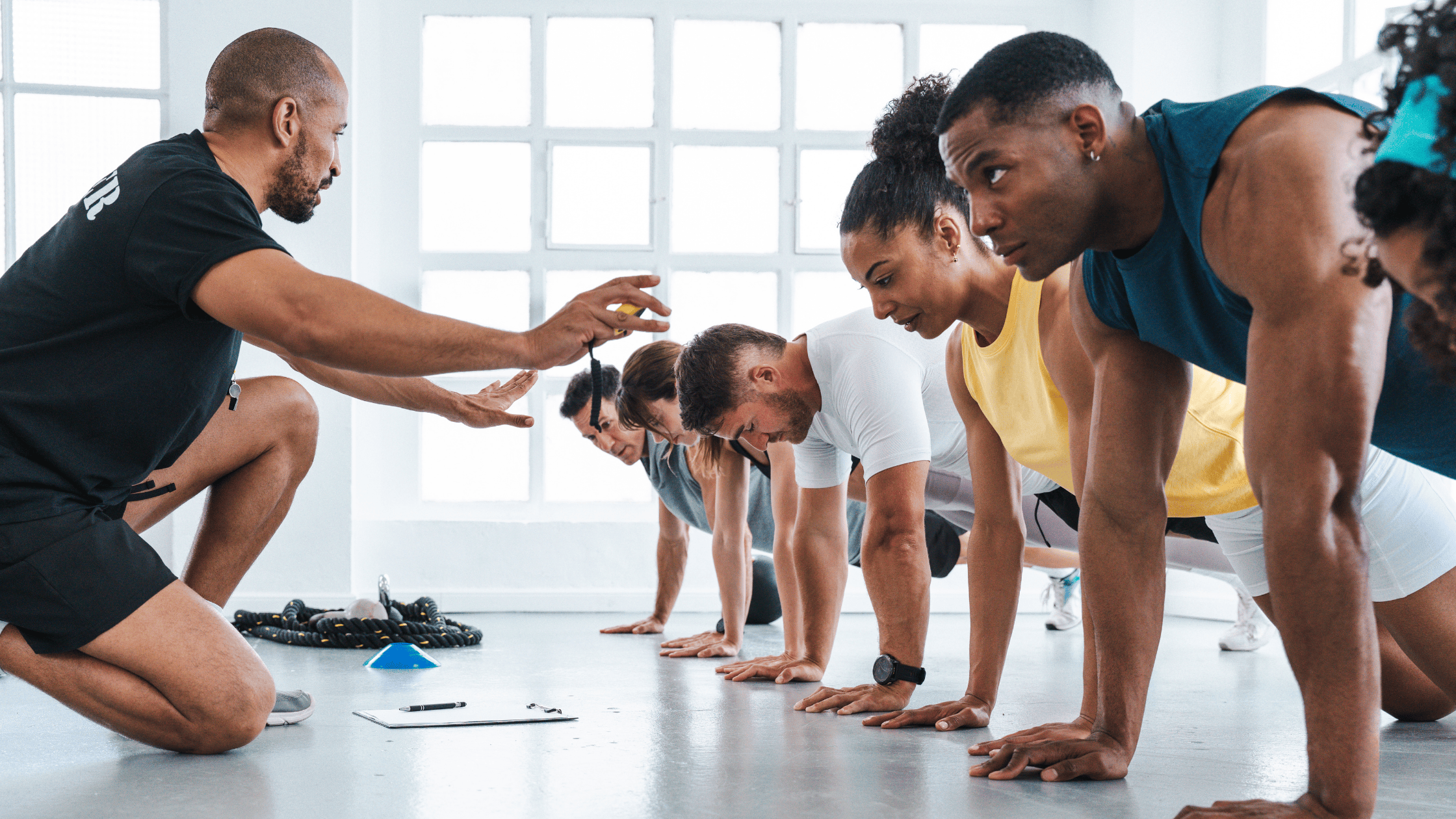
Hypnosis addresses these mental components by guiding athletes into a state of focused awareness where the mind becomes calm, receptive, and aligned with the body. This allows performance-supportive patterns to replace limiting ones.
Focus is not just about concentration—it’s about how attention is directed and sustained in the presence of internal and external input.
The same mechanisms that influence performance also shape how we interpret and respond to experience.
How Hypnosis Works in Sports Performance
Hypnosis is a state of heightened attentional focus and reduced external distraction. Neuroimaging studies show that during hypnosis, activity shifts away from regions involved in self-criticism and threat detection and toward areas responsible for concentration, motor imagery, and emotional regulation.
In practical terms, hypnosis helps athletes:
- Enter optimal arousal zones (not over- or under-activated)
- Improve concentration and attentional control
- Reduce performance anxiety and fear of failure
- Enhance motor imagery and skill execution
- Strengthen confidence and self-trust
- Recover mentally after mistakes or injuries
Enhancing Focus and Flow States
Flow – often described as being “in the zone” – is a psychological state associated with peak athletic performance. Hypnosis helps facilitate flow by quieting mental noise and strengthening sustained attention.
A 2021 systematic review in Psychology of Sport and Exercise found that hypnosis-based interventions improved attentional focus and task engagement in athletes, particularly under pressure. Athletes reported greater ease maintaining concentration and fewer intrusive thoughts during competition.
By repeatedly accessing hypnotic states, athletes train the brain to return to focus more quickly – a skill that transfers directly to performance environments.
Reducing Performance Anxiety and Pressure
Performance anxiety can activate the sympathetic nervous system, leading to muscle tension, disrupted breathing, and impaired coordination. Hypnosis counters this by activating parasympathetic regulation – calming the nervous system while preserving alertness.
A 2020 meta-analysis published in Neuroscience & Biobehavioral Reviews found that hypnosis significantly reduced competitive anxiety and stress responses across multiple sports. Athletes demonstrated improved emotional control and reported feeling more composed before and during competition.
Rather than suppressing nerves, hypnosis helps athletes reinterpret physiological arousal as readiness and confidence.
Improving Strength, Endurance, and Motor Performance
Beyond psychological benefits, hypnosis has been shown to enhance measurable physical performance outcomes.
A 2022 controlled study in Frontiers in Psychology found that athletes using hypnosis-enhanced imagery demonstrated improvements in strength output, endurance, and movement efficiency compared to imagery alone. Researchers suggest hypnosis amplifies the brain’s ability to recruit motor units and optimize neuromuscular coordination.
This aligns with earlier findings that mental rehearsal under hypnosis can enhance motor learning and execution – especially when paired with physical training.
Injury Recovery and Return to Sport
Hypnosis is also increasingly used to support injury rehabilitation. Athletes recovering from injury often struggle with fear of re-injury, frustration, and loss of confidence – all of which can slow recovery.
Recent research shows that hypnosis can reduce pain perception, improve adherence to rehabilitation protocols, and support positive recovery expectations. A 2023 review in Journal of Clinical Sport
Psychology highlighted hypnosis as a valuable adjunct for both physical and psychological recovery in injured athletes.
Why Hypnosis Is Especially Effective for Athletes
Athletes are often naturally skilled at focus, visualization, and body awareness – all of which increase hypnotic responsiveness. This makes hypnosis particularly effective in sports contexts.
Rather than adding something new, hypnosis refines what athletes already do well: mental rehearsal, emotional regulation, and embodied awareness.
Over time, athletes who integrate hypnosis into their training often report:
- Greater consistency under pressure
- Faster recovery from mistakes
- Increased confidence in competition
- Stronger mind-body trust
- Improved enjoyment of sport
Bringing It All Together
Train your mind the way you train your skills
Performance isn’t just about doing more—it’s about accessing the right state at the right time.
When your nervous system is aligned, focus, confidence, and clarity become more consistent.
Moving Forward
That’s where hypnosis comes in – not to shame you into action, but to help you understand and re-align the deeper drivers of procrastination, so you can step into productivity with ease, clarity, and inner support.
At Calm Collective Care, we’re committed to making evidence-informed, nervous-system–based approaches accessible in ways that fit real lives. Through secure Zoom sessions, you can engage in clinically grounded hypnotherapy from the comfort of your home—without sacrificing depth, safety, or connection.
Our work is rooted in the same principles explored here: restoring agency, reducing fear, and helping the nervous system learn new patterns of response. Whether you’re navigating chronic pain, stress, anxiety, or a desire for greater clarity and resilience, our collective approach blends hypnotherapy with coaching and mindfulness-based practices to support meaningful, sustainable change.
Ways to Get Started
Guided Group Hypnosis
We offer live, guided group hypnosis sessions designed to support stress reduction, confidence, emotional regulation, and nervous system resilience. These sessions provide a structured, supportive environment for experiential learning—whether you join live or explore our growing audio library.
👉 Learn more Group Session in the Change Your Life Circle
👉 Access the ever-expanding Audio Library
One-on-One Hypnotherapy
For a more personalized approach, working individually with a certified hypnotherapist allows for tailored support aligned with your specific goals, history, and nervous system patterns. You can explore our team of practitioners and schedule a consultation to find the right fit.
Guest Author:
Hannah Henjum
Consulting Hypnotist, NLP & Time-Line Therapy® Practitioner
Specialties: Stress | Confidence
Hannah specializes in helping clients overcome stress and build confidence and joy in their daily lives. She uses hypnosis and NLP techniques to help individuals resolve the underlying mental and emotional blocks that affect their well-being and self-esteem. Her approach is centered on creating a balanced, fulfilling life for her clients, helping them develop strategies for long-term mental clarity and resilience. Hannah empowers clients to bring curiosity, joyfulness, and ease back to their lives.
References:
-
Thompson, T., et al. (2020). Hypnosis for anxiety reduction: A meta-analytic review. Neuroscience & Biobehavioral Reviews, 118, 502–511.
-
Pates, J., et al. (2021). Hypnosis and attentional focus in sport performance: A systematic review. Psychology of Sport and Exercise, 54, 101903.
-
Terhune, D. B., et al. (2022). Neural mechanisms of hypnotic modulation and performance optimization. Neuroscience of Consciousness.
-
Slimani, M., et al. (2022). Effects of hypnosis-enhanced imagery on strength and endurance performance. Frontiers in Psychology, 13, 879234.
-
Barker, J. B., et al. (2023). Psychological skills training and hypnosis in injury rehabilitation. Journal of Clinical Sport Psychology, 17(2), 115–132.
Be Calm ...
and experience hypnosis!
Hypnosis can help in many ways. Curious Minds should Stay Curious.
Boost Self-confidence • Lessen Anxiety • Grief• Cancer • Create Positive Mindset • Eliminate Limiting Beliefs • Improve Sleep • Manage Pain Better • Prepare for Childbirth • Enhance Performance • Heal & Resolve Grief • Change Habits • Weight Loss without Dieting • Smoking Cessation • Stress Reduction • Stop Teeth Grinding • & more
Connecting with me 1:1 is fast and easy!
