

Play Is Not Frivolous
Jun 14, 2026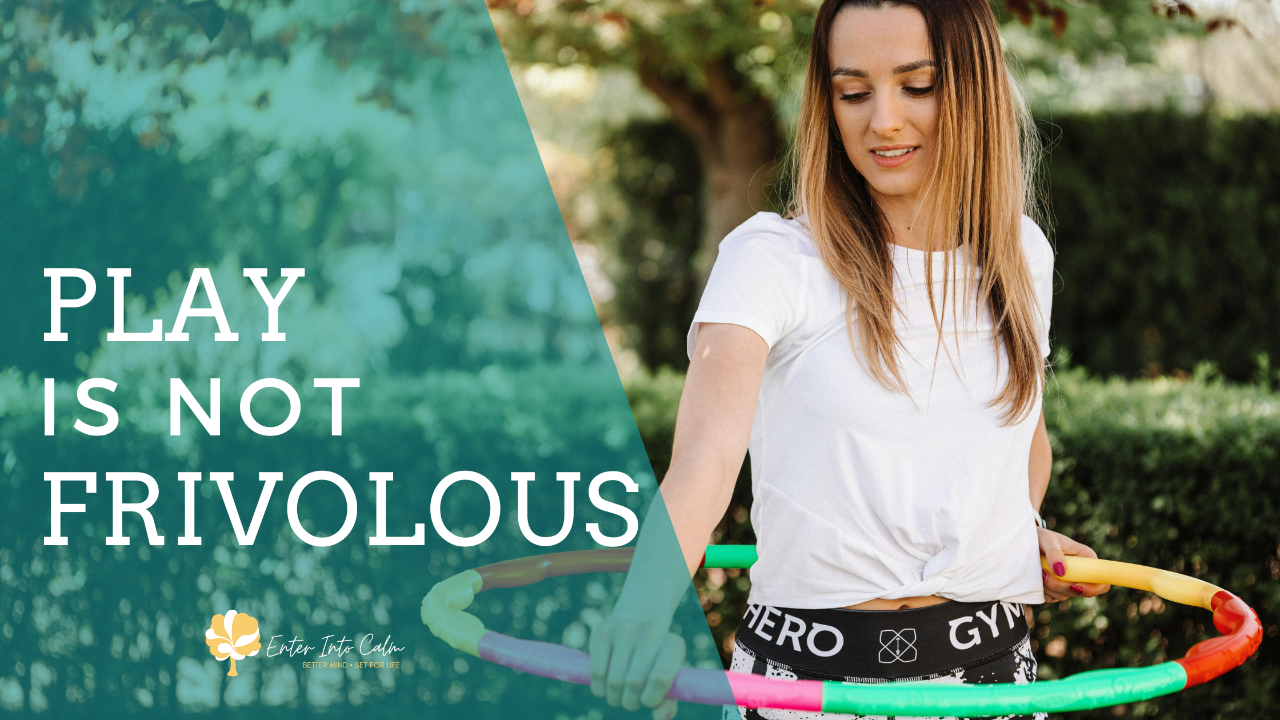
Why Joy Restores Compassion in Healthcare Professionals
Somewhere along the way, many adults quietly stop playing.
Especially in healthcare.
Life becomes:
- responsibility
- schedules
- caregiving
- productivity
- performance
- survival
And eventually, many people begin feeling emotionally flat without fully understanding why.
Not because they do not care.
And because the nervous system has been living in seriousness for too long.
If you've been following our Rooted HEART blog series, this may be the missing piece underneath burnout, nervous system dysregulation, and emotional exhaustion:
→ The Hidden Exhaustion No One Talks About in Healthcare
→ Why Healing Happens Faster in Safe Community
Sometimes what restores compassion is not more effort.
Sometimes it is joy.
The Opposite of Play Is Not Work
Dr. Stuart Brown famously stated:
That idea may initially sound simplistic.
And research increasingly supports something profound:
Play influences emotional regulation, resilience, empathy, imagination, stress recovery, and overall well-being (Cárdenas, 2022).
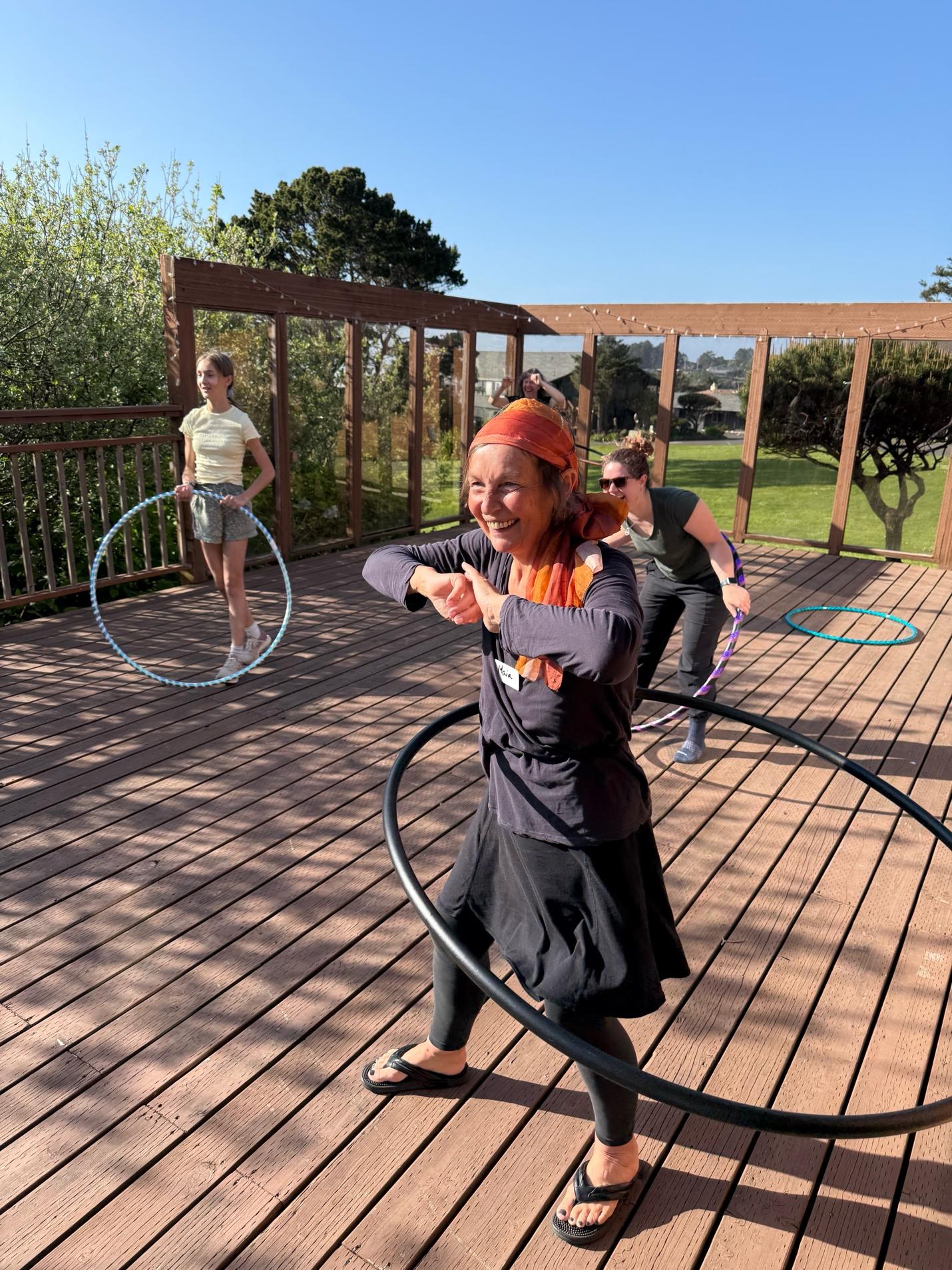
For helping professionals experiencing compassion fatigue, play may restore emotional capacity by evoking joy, freedom, movement, and human connection.
Not childishness.
Not avoidance.
And embodied aliveness.
Compassion Fatigue Is More Than Exhaustion
Healthcare professionals spend years witnessing:
- suffering
- grief
- fear
- trauma
- crisis
- loss
Over time, this constant exposure can lead to compassion fatigue and burnout.
Research describes compassion fatigue as physical, emotional, and spiritual depletion associated with caring for people experiencing significant suffering.
And many clinicians quietly begin to lose:
- joy
- creativity
- spontaneity
- emotional flexibility
- connection to meaning
Not because they stopped caring.
And because their nervous systems became overwhelmed.
Why Movement and Play Matter
The nervous system does not only heal through talking or thinking.
It also heals through:
- rhythm
- movement
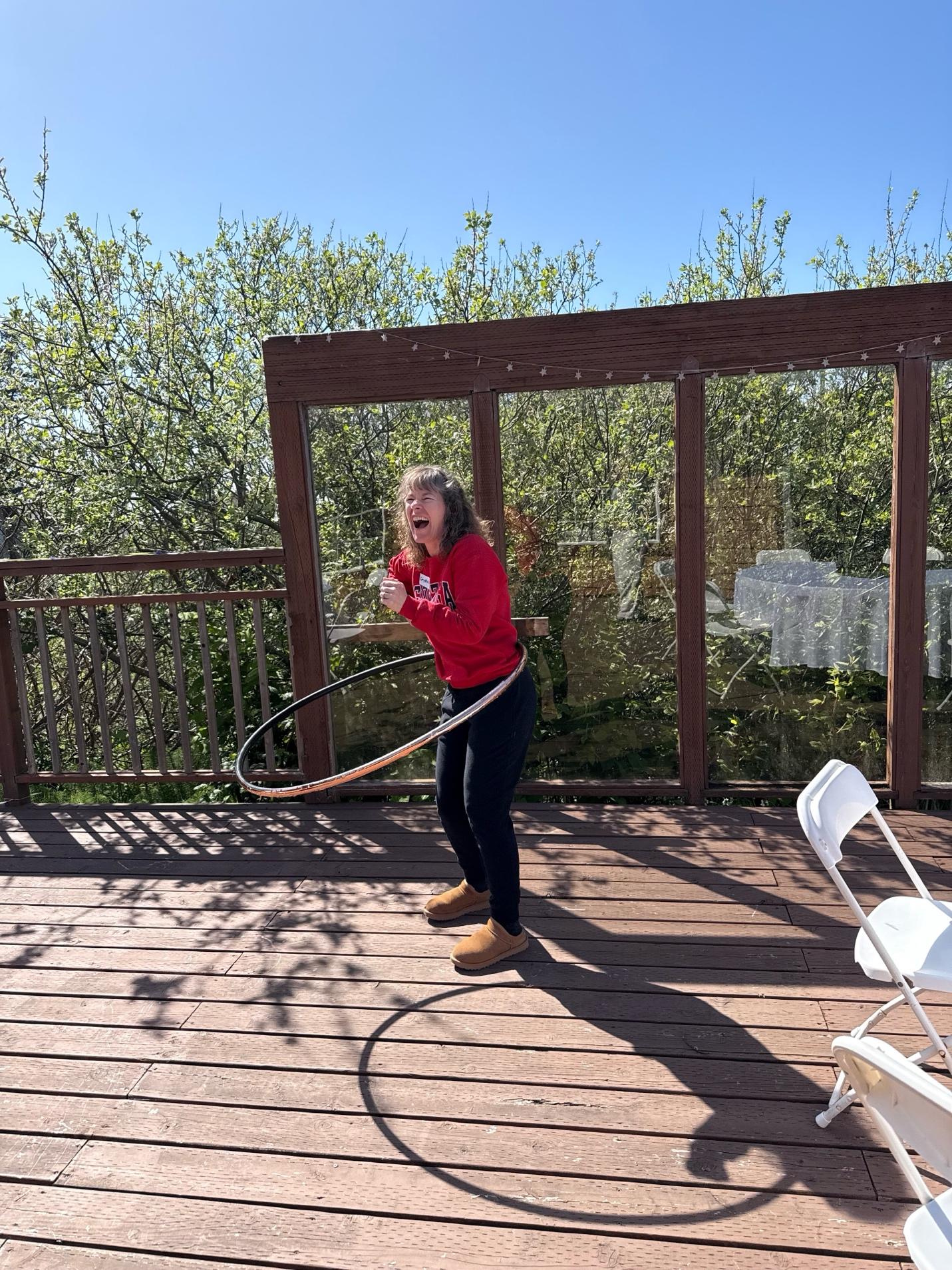
- laughter
- novelty
- embodiment
- creativity
- safe emotional expression
Research exploring body and movement play among helping professionals found that play can:
- restore empathy
- increase joy
- foster freedom
- rekindle meaning and purpose
- restore compassion
And sometimes that begins with something surprisingly simple.
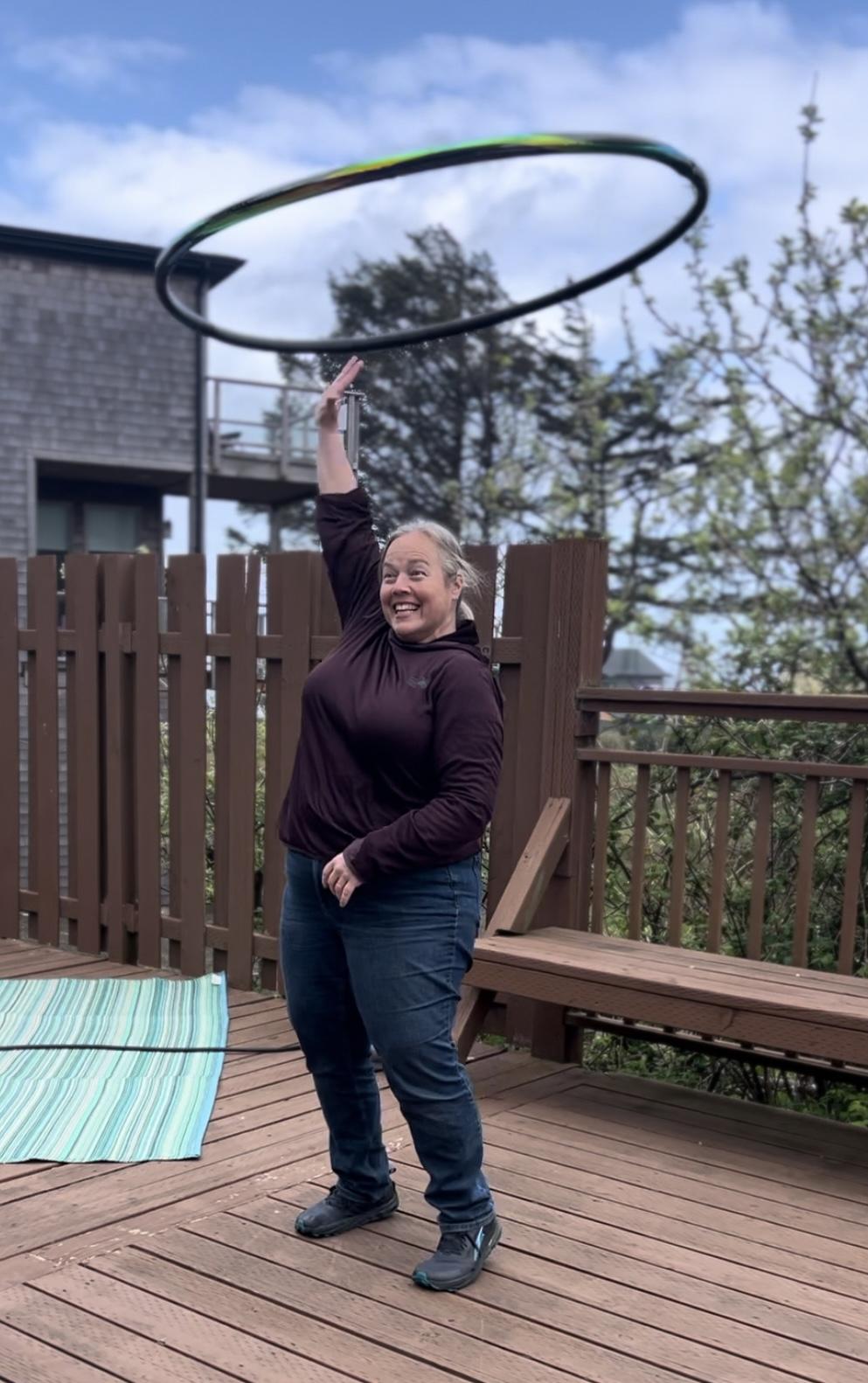
A hula hoop.
The Hoop Is More Than a Hoop
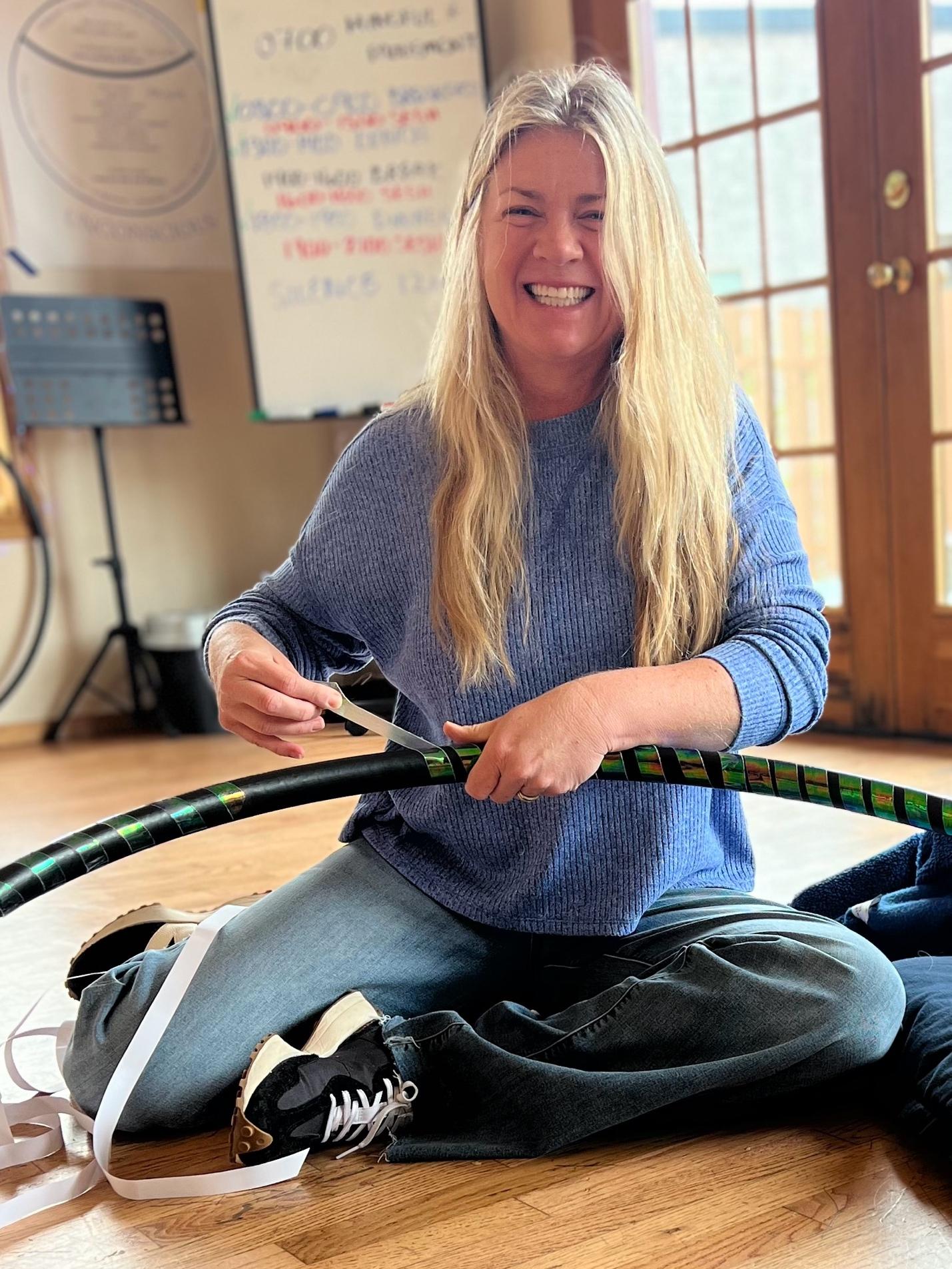
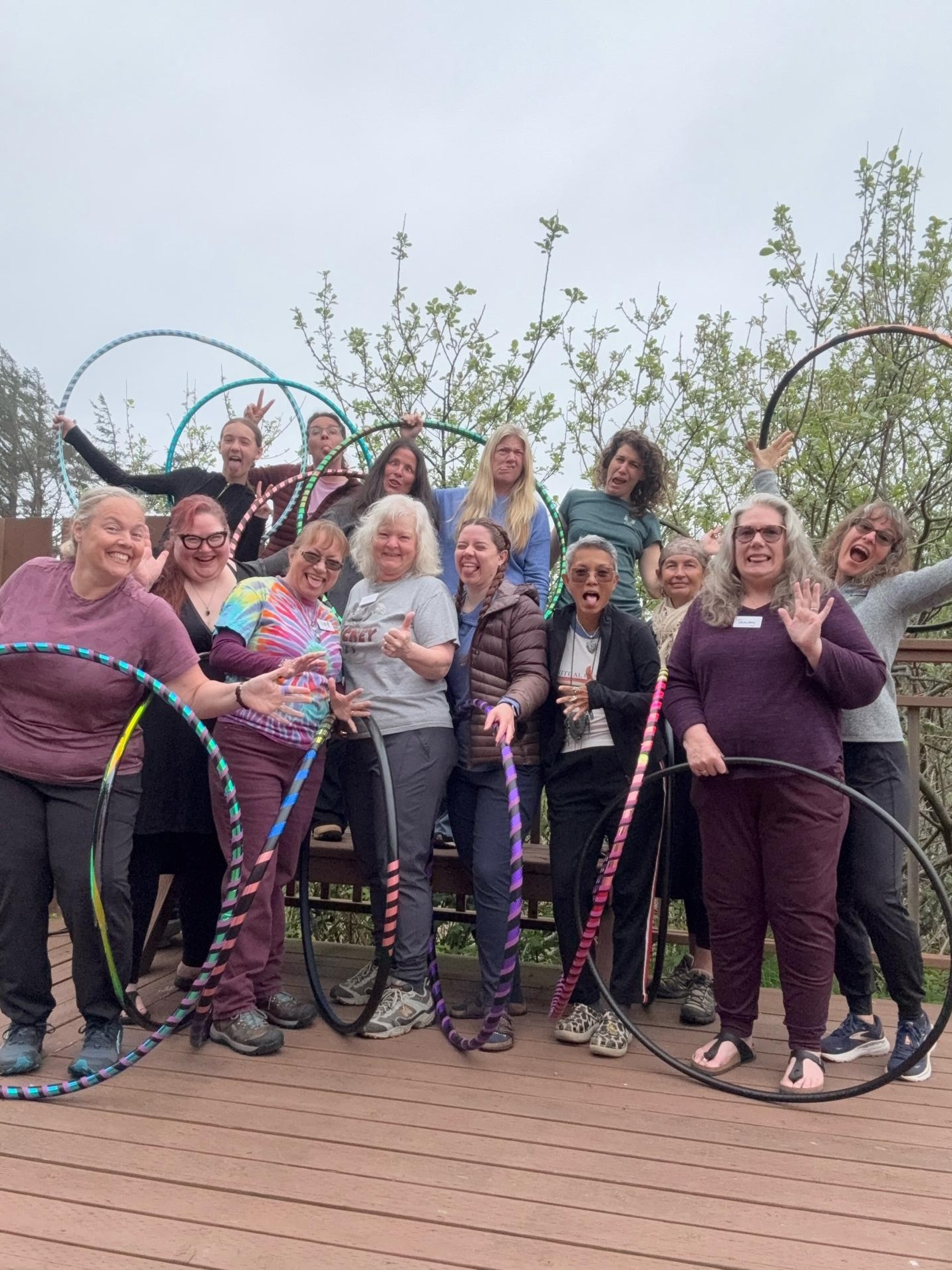
Inside Rooted HEART, participants engage in body-based play experiences through hula hooping and movement meditation.
At first, many people laugh nervously.
Some feel uncertain. Some feel self-conscious. Some wonder if it is "serious enough."
And then something changes.
Because the body begins to soften.
Attention returns to the present moment.
People breathe differently.
Move differently.
Feel differently.
One participant shared:
"I can use a hula hoop… to work out the stuck emotions I needed to expunge from my body."
Another reflected:
"How much I enjoyed the hula hooping."
And another shared:
"Fun/playful/creative things are a necessary part of me being whole."
These experiences are not accidental.
They are deeply physiological.
Joy Is Nervous System Medicine
Research on play and body movement suggests that playful embodied experiences may restore hope, empathy, imagination, emotional flexibility, and connection to meaning.
The body experiences:
- movement
- freedom
- rhythm
- novelty
- expression
And the nervous system begins shifting states.
Not through force.
And through aliveness.
One participant described the experience this way:
"It felt like 5 years of therapy in 5 days."
Another reflected:
"I feel reinvigorated to start doing fun/playful/creative things and incorporate those fully into my life."
Play Helps People Remember Themselves
One of the most painful aspects of chronic stress is not simply exhaustion.
It is forgetting who you are underneath survival mode.
The dissertation research by Caroline Cárdenas explored how helping professionals experiencing compassion fatigue rediscovered joy, empathy, meaning, and self-realization through body and movement play.
That phrase matters: self-realization.
Because many healthcare professionals have spent years becoming what everyone else needed them to be.
Play interrupts that pattern.
Not irresponsibly.
And restoratively.
It reminds the nervous system:
- you are still alive
- you are still human
- you are allowed to feel joy
- your body is not only a tool for productivity
Moving Forward
There is something powerful about watching exhausted healthcare professionals begin laughing again.
Moving again.
Breathing again.
Feeling again.
Not because their responsibilities disappeared.
And because their nervous systems finally experienced enough safety to reconnect with joy.
Inside Rooted HEART, play is not treated as extra.
It is woven intentionally into healing:
- hoop dancing
- movement meditation
- nature immersion
- music
- rhythm
- creativity
- embodied experiences
- shared laughter
- collective healing
Because restoring compassion is not only about reducing stress.
Sometimes it is about remembering aliveness.
And every day, in every way…
you are allowed to come home to yourself again.
If you're curious what that could look like explore:
→ https://www.enterintocalm.com/rootedheart
You don't have to decide anything right now.
You can simply notice what resonates…
And take the next step when it feels right.
It's always up to you.
Author: Christy Cowgill
Christy is dedicated to helping clients overcome anxiety, depression, and phobias by using evidence-based hypnosis and NLP techniques. With a focus on addressing the root causes of mental health challenges, she provides tailored strategies that promote emotional resilience and lasting well-being. Drawing on her extensive background in anesthesiology and psychiatric mental health, Christy creates a safe, supportive environment where clients can achieve mental clarity, boost their confidence, and break free from limiting fears.
References:
- Cárdenas, C. P. (2022). The significance of play in restoring compassion (Doctoral dissertation, Meridian University).
- Sánchez, C., Valdez, A., & Johnson, L. (2014). Hoop dancing to prevent and decrease burnout and compassion fatigue. Journal of Emergency Nursing, 40(4), 394–395.
- Brown, S., & Vaughan, C. (2009). Play: How it shapes the brain, opens the imagination, and invigorates the soul. Avery.
Be Calm ...
and experience hypnosis!
Hypnosis can help in many ways. Curious Minds should Stay Curious.
Boost Self-confidence • Lessen Anxiety • Grief• Cancer • Create Positive Mindset • Eliminate Limiting Beliefs • Improve Sleep • Manage Pain Better • Prepare for Childbirth • Enhance Performance • Heal & Resolve Grief • Change Habits • Weight Loss without Dieting • Smoking Cessation • Stress Reduction • Stop Teeth Grinding • & more
Connecting with me 1:1 is fast and easy!
