The Body Keeps Carrying What the Mind Tries to Push Through
Jun 29, 2026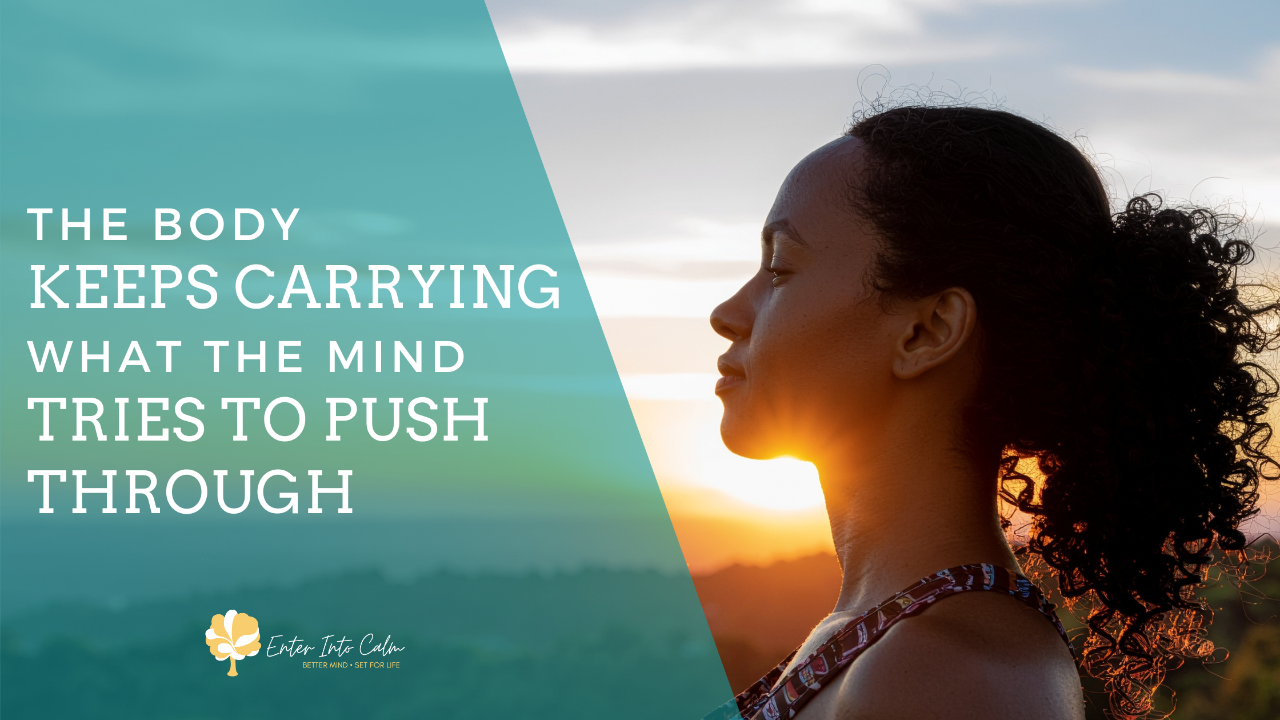
Why Healthcare Professionals Need More Than "Coping Skills"
Healthcare professionals are often exceptionally good at continuing.
Continuing through grief.
Continuing through stress.
Continuing through emotional overwhelm.
Continuing through exhaustion.
And eventually, many people begin to notice something confusing:
"I understand what's happening intellectually… so why does my body still feel stuck in it?"
Because the body remembers what the mind tries to override.
If you've read our previous blogs on survival mode and decision fatigue, this is the next layer underneath those experiences:
→ The Subtle Signs Your Nervous System Is Stuck in Survival Mode
→ The Hidden Exhaustion No One Talks About in Healthcare
Sometimes the nervous system is still carrying experiences long after the moment itself has passed.
The Body Learns Survival Patterns
Many healthcare professionals have spent years adapting to:
- chronic responsibility
- emotional suppression
- high-stakes environments
- caregiving roles
- moral distress
- unresolved grief
- personal trauma
- childhood survival patterns
And the nervous system adapts accordingly.
Research shows that chronic stress exposure alters autonomic regulation, emotional processing, and physiological recovery patterns (Jarczok et al., 2013; Kanthak et al., 2017).
In simple terms:
the body learns how to stay prepared.
Prepared for:
- crisis
- pressure
- disappointment
- hypervigilance
- emotional overload
Even when the immediate threat is gone.
And for many healthcare professionals, these patterns become so familiar they stop recognizing them.
Why Insight Alone Often Isn't Enough
Understanding stress cognitively is important.
And healing is not only cognitive.
Because trauma, overwhelm, grief, and emotional suppression are often experienced physiologically:
- muscle tension
- shallow breathing
- nervous system activation
- emotional constriction
- exhaustion
- dissociation
- hypervigilance
This is why many clinicians say:
"I know what I should do… but my body still feels stuck."
The body is not resisting healing.
It is protecting.
And protection patterns often require gentle experiential work to begin shifting.
The Nervous System Needs New Experiences
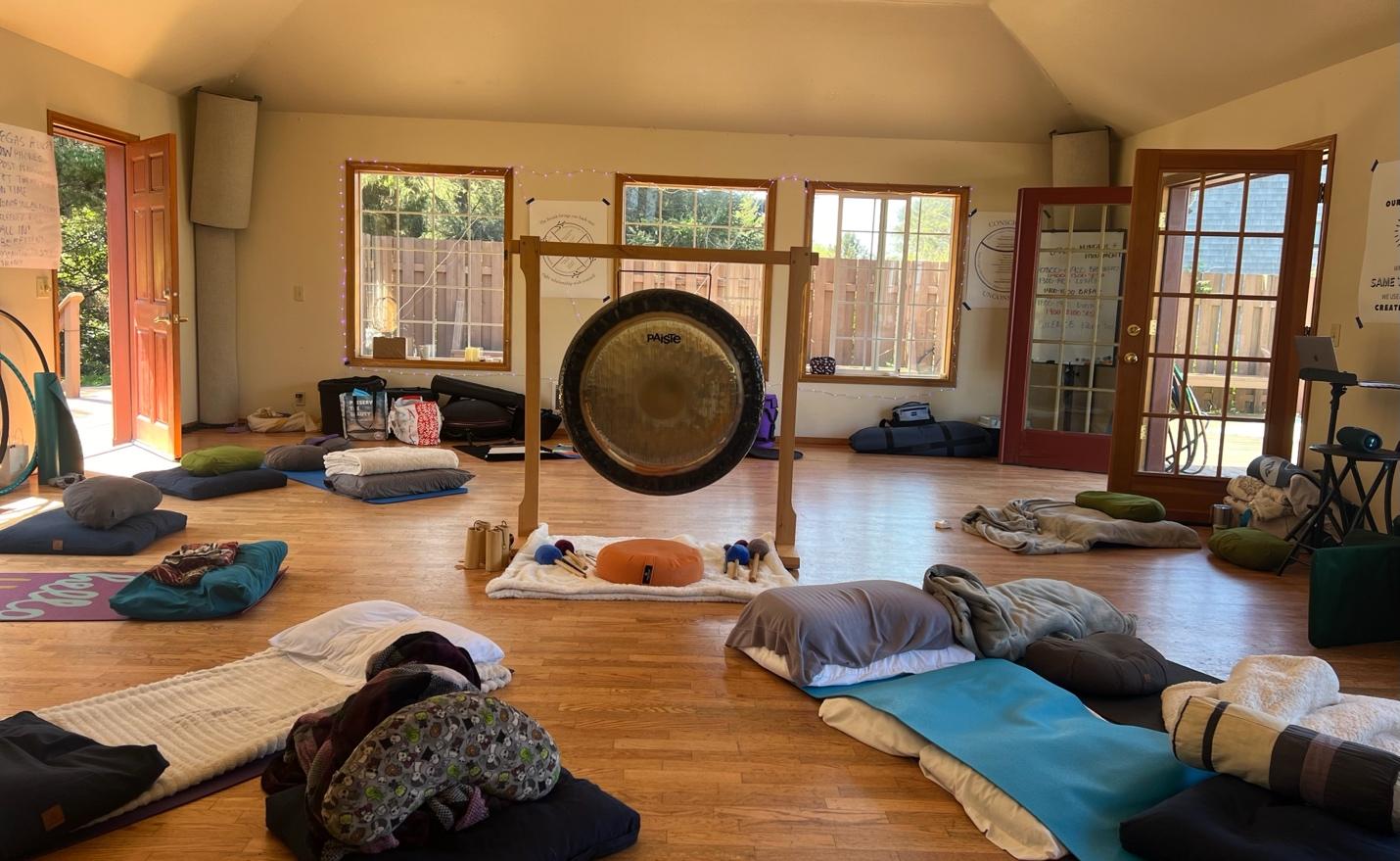
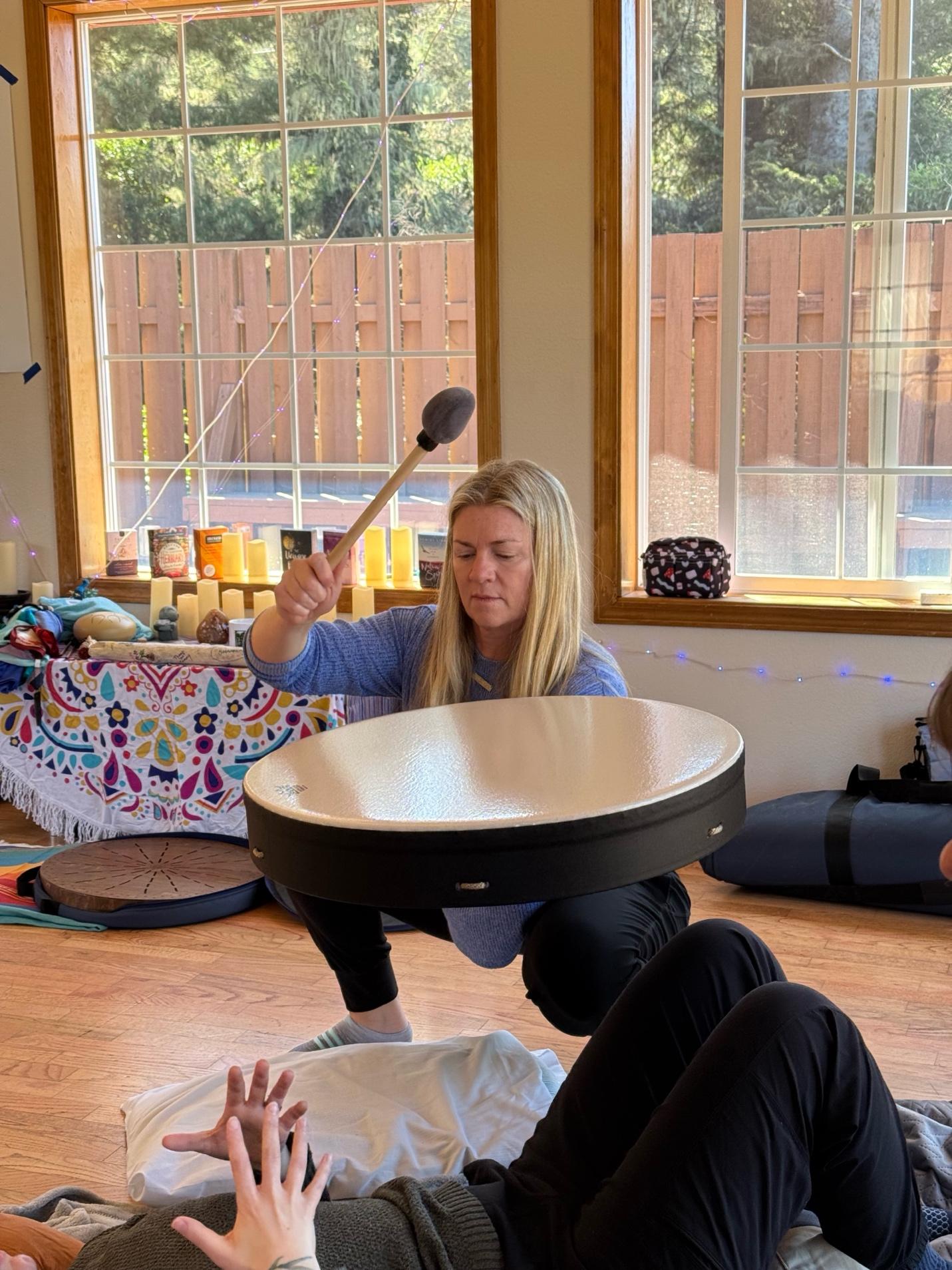
At Rooted HEART, participants are guided through experiential practices designed to help the body begin releasing chronic survival patterns safely:
- diaphragmatic breathing
- elemental breathwork
- guided imagery
- somatic exploration
- movement
- reflective practices
- forgiveness exercises
- inner awareness work
- nature immersion
- restorative stillness
Not to force catharsis.
And to help the nervous system experience something different.
One participant shared:
"Before Rooted HEART I was living with guilt and shame and a sense of unworthiness that I couldn't seem to resolve. After I feel much freer and more settled in myself."
Another reflected:
"I can take my own power back from those I've given it to."
And another described:
"Release trauma from the body—calm the mind."
The Breath Changes More Than We Realize
Breathing patterns often mirror nervous system states.
When the body is chronically stressed:
- breath becomes shallow
- muscles tighten
- vigilance increases
- the nervous system remains activated
Research supports breath-based interventions for improving emotional regulation, stress recovery, and autonomic balance (Korkmaz et al., 2024).
At Rooted HEART, participants learn multiple breathing approaches designed to support different nervous system states and emotional experiences.
And many are surprised by how deeply the breath affects them.
One participant shared:
"How much I got from the breathwork session."
Another reflected:
"Breathwork and visualization can be life changing."
Because sometimes healing begins with something remarkably simple:
Breathing differently.
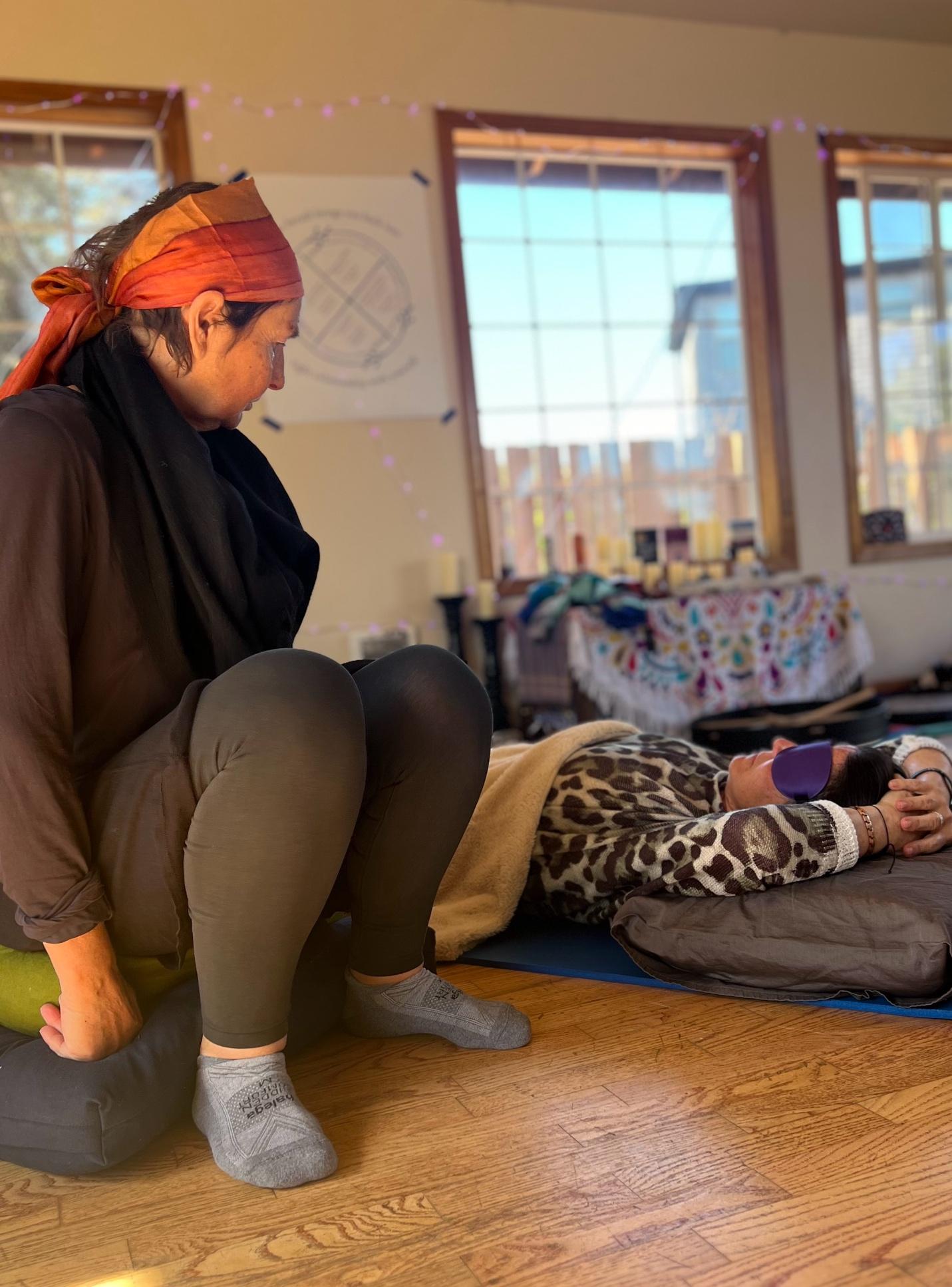
Healing Happens Tenderly
One of the most important aspects of nervous system work is this:
Healing does not need to happen aggressively to be profound.
Many healthcare professionals are accustomed to:
- pushing
- fixing
- striving
- enduring
And the nervous system often responds differently to gentleness.
To:
- pauses
- safety
- nourishment
- compassion
- movement
- rhythm
- nature
- play
- being cared for
This becomes especially important for individuals carrying moral distress, grief, childhood survival adaptations, or longstanding emotional suppression.
The body often softens before the mind fully understands why.
The Goal Is Not to Erase the Story
One participant shared something deeply important:
"My story is the same, but the emotional charge, the heaviness is gone."
That distinction matters.
Healing does not necessarily erase difficult experiences.
And it can change how the body carries them.
This is part of why somatic and experiential work can feel so different from simply talking about stress.
The nervous system begins to experience:
- more safety
- more flexibility
- more regulation
- more capacity
And over time:
more possibility.
Moving Forward
Your body is not working against you.
It adapted to what it was asked to survive.
And many healthcare professionals have been surviving for a very long time.
The work inside Rooted HEART is not about forcing transformation.
It is about creating conditions where healing can begin unfolding naturally:
- through breath
- movement
- nourishment
- reflection
- nervous system regulation
- supportive community
- and experiential healing practices
Because what the body has learned…
the body can also begin to unlearn.
Gently.
One breath at a time.
If you're curious what that could look like explore: → https://www.enterintocalm.com/rootedheart
You don't have to decide anything right now.
You can simply notice what resonates…
And take the next step when it feels right.
It's always up to you.
Author: Christy Cowgill
Christy is dedicated to helping clients overcome anxiety, depression, and phobias by using evidence-based hypnosis and NLP techniques. With a focus on addressing the root causes of mental health challenges, she provides tailored strategies that promote emotional resilience and lasting well-being. Drawing on her extensive background in anesthesiology and psychiatric mental health, Christy creates a safe, supportive environment where clients can achieve mental clarity, boost their confidence, and break free from limiting fears.
References:
- Jarczok, M. N., Jarczok, M., Mauss, D., Koenig, J., Li, J., Herr, R. M., Thayer, J. F., & Fischer, J. E. (2013). Autonomic nervous system activity and workplace stressors—A systematic review. Neuroscience & Biobehavioral Reviews, 37(8), 1810–1823. https://doi.org/10.1016/j.neubiorev.2013.07.004
- Kanthak, M. K., Stalder, T., Hill, L. K., Thayer, J. F., Penz, M., & Kirschbaum, C. (2017). Autonomic dysregulation in burnout and depression: Evidence for the central role of exhaustion. Scandinavian Journal of Work, Environment & Health, 43(2), 119–128. https://doi.org/10.5271/sjweh.3647
- Korkmaz, A., Bernhardsen, G. P., Cirit, B., Koprucu Suzer, G., Kayan, H., Biçmen, H., Tahra, M., Suner, A., Lehto, S. M., Sag, D., & Saatcioglu, F. (2024). Sudarshan Kriya Yoga Breathing and a Meditation Program for Burnout Among Physicians: A Randomized Clinical Trial. JAMA network open, 7(1), e2353978. https://doi.org/10.1001/jamanetworkopen.2023.53978
Be Calm ...
and experience hypnosis!
Hypnosis can help in many ways. Curious Minds should Stay Curious.
Boost Self-confidence • Lessen Anxiety • Grief• Cancer • Create Positive Mindset • Eliminate Limiting Beliefs • Improve Sleep • Manage Pain Better • Prepare for Childbirth • Enhance Performance • Heal & Resolve Grief • Change Habits • Weight Loss without Dieting • Smoking Cessation • Stress Reduction • Stop Teeth Grinding • & more
Connecting with me 1:1 is fast and easy!
