Setting Goals in the Learning State
Feb 02, 2026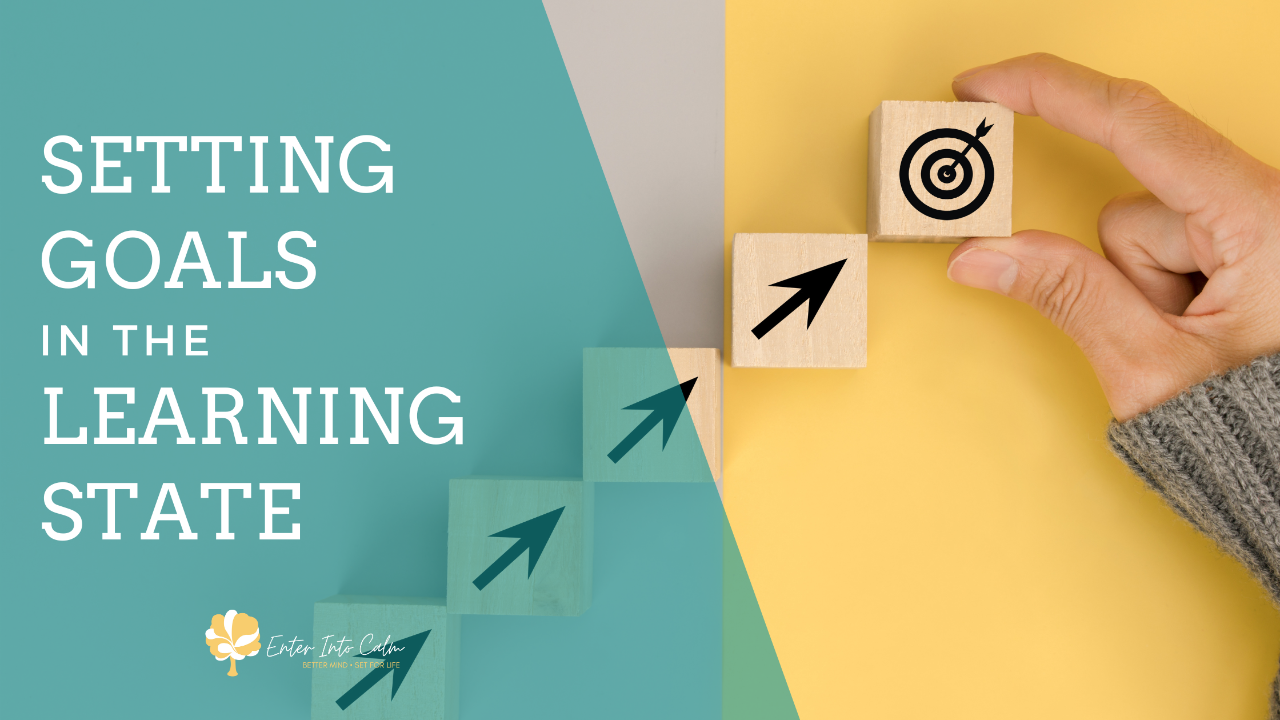
A Grounded Way to Begin Your Best Year
Most goal-setting approaches ask us to think harder, plan better, or push more consistently. They tend to live almost entirely in the cognitive domain—lists, metrics, deadlines, and outcomes. Yet anyone who has spent time in healthcare knows this is incomplete. We do not learn, adapt, or change simply because a goal makes sense on paper. We change when our nervous system is receptive to learning.
So rather than starting with pressure or performance, consider a different opening question:
If this were the best year you ever had for growth and development—what would that look like?
Not just in productivity or credentials, but in how you show up. How you communicate. How you feel in your body as you move through work and life.
Gathering Goals Without Forcing Them
Set aside five to ten minutes and write freely. Let goals come without editing or ranking them. Include professional goals, personal goals, relational goals, physical goals, emotional goals. Aim for at least ten, and if you reach twenty, keep going. This list is not meant to be static or “final.” It is a living document that can expand as the year unfolds.

This first step is deceptively simple. Writing goals without immediate evaluation lowers cognitive load and reduces self-criticism—two factors known to interfere with learning and motivation. What matters here is not precision, but permission.
From Abstract Goals to Embodied Outcomes
Now comes the step most goal-setting frameworks omit.
Choose one goal from your list. Sit back in your chair and imagine that this goal has already been achieved—successfully and fully. Instead of thinking about how you achieved it, focus on what has changed.
Notice how you hold yourself.
How you walk, stand, and breathe.
How you speak and listen.
How others might recognize—without being told—that something is different about you.
Allow the image to become clearer, closer, and more vivid. When it feels complete, move to the next goal and repeat the process. Eventually, imagine all of your goals integrating into a single, coherent outcome. Sit with the felt sense of having arrived there.
This type of visualization exercise is often associated with neuro-linguistic programming (NLP). In its simplest form, NLP refers to how neurological processes, language, and repeated patterns of behavior interact. It is important to be clear: the empirical evidence supporting NLP as a health intervention is limited and mixed. Systematic reviews have found insufficient high-quality evidence to support broad health claims, though this reflects methodological gaps rather than definitive evidence of ineffectiveness (Sturt et al., 2012).
That said, smaller studies within nursing contexts suggest potential benefits for stress reduction and interpersonal skill development, particularly when NLP techniques are used as structured reflective tools rather than therapeutic interventions. These findings are preliminary and should be interpreted cautiously—but they help explain why such exercises continue to resonate in practice.
Why Learning Depends on State
Where the science becomes much stronger is in understanding state-dependent learning—not as NLP theory, but as nervous system physiology.
We do not learn efficiently when we are anxious, threatened, shamed, or overwhelmed. Many clinicians remember educational experiences rooted in fear or humiliation. Those states may enforce compliance, but they are poor environments for deep learning, integration, or creativity.
Research increasingly shows that autonomic nervous system (ANS) flexibility is associated with learning capacity and neuroplasticity. Elevated sympathetic activation—the physiology of stress—has been linked to diminished learning and reduced practice effects in memory tasks. Conversely, states that support parasympathetic regulation are associated with improved engagement and adaptability (Chen et al., 2020; Pagen et al., 2021).
In other words, learning is not just cognitive. It is physiological.
Building a Learning State
Think about times when learning felt effortless rather than forced. Moments of fascination, when your attention was fully absorbed. Curiosity, when anticipation felt pleasant rather than tense. Surprise, when you succeeded beyond expectation. Playfulness, when effort dissolved into enjoyment. Or flow states, such as driving or cooking, when skill emerged without conscious deliberation.
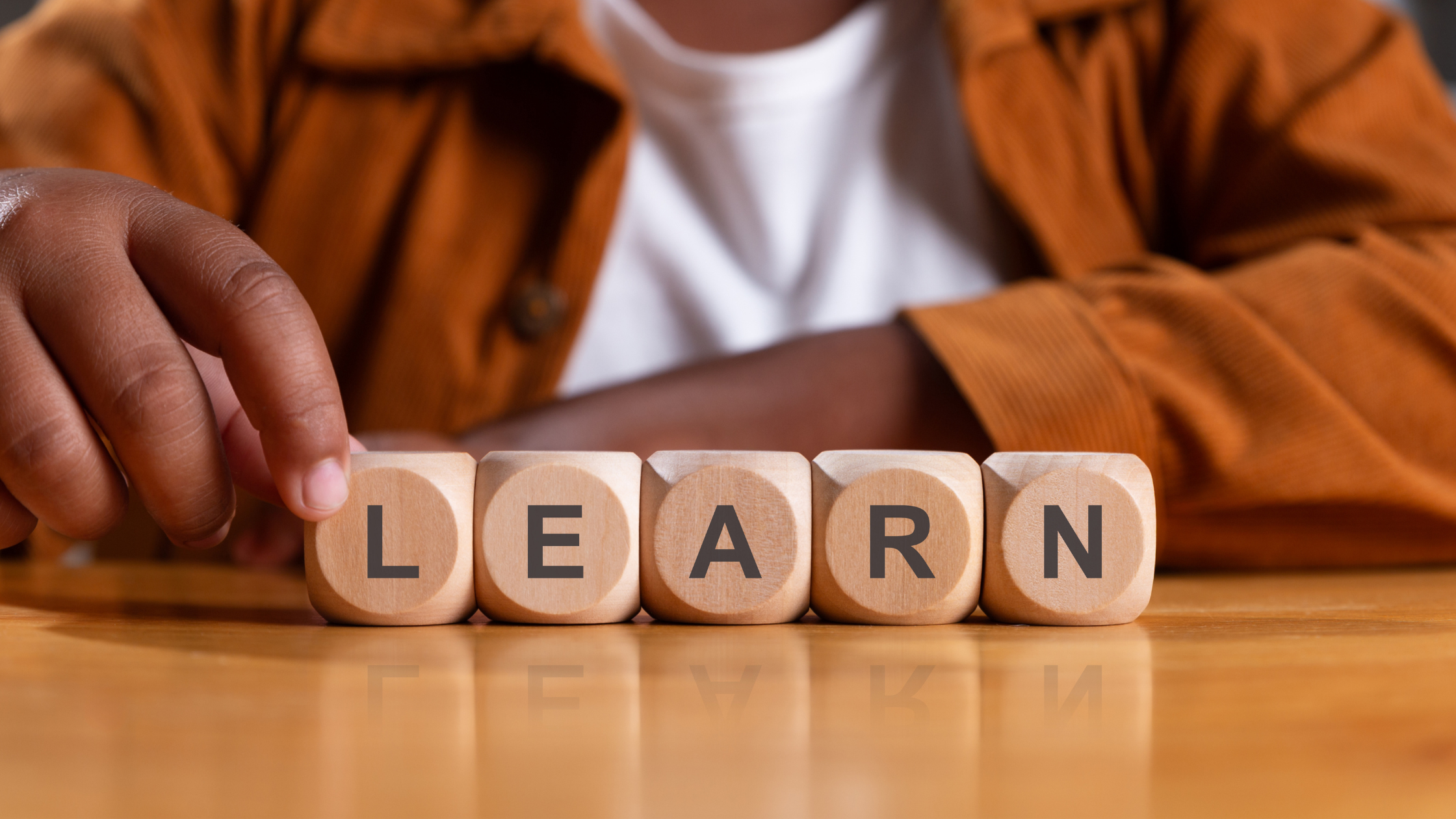
These experiences share a common feature: regulated arousal paired with engagement.
Set aside three to ten minutes in a quiet space. Bring to mind one memory from each of these categories. As you recall each experience, imagine stepping back into it—seeing what you saw, hearing what you heard, and sensing what you felt. Allow the images to become brighter and closer, the sounds clearer, the sensations richer.
Then imagine these experiences blending together, not as discrete memories but as a unified internal state. You do not need to visualize this perfectly. Simply allow the sense of openness, curiosity, and ease to coalesce.
Before finishing, gently soften your gaze and allow your visual awareness to expand into the periphery. This simple shift supports parasympathetic regulation and helps consolidate the state.
Grounding the Practice in Evidence
While the specific visualization and “state-building” exercises described here lack direct empirical validation as formal interventions, the principles they draw upon are well supported. Educational research consistently demonstrates that emotional state influences learning, engagement, and retention. Learning environments that reduce threat, support curiosity, and manage cognitive load are more effective—particularly in health professions education (Gooding et al., 2016).
Viewed through this lens, these exercises are best understood not as proven techniques, but as structured ways of aligning learning with known neurophysiological and educational principles.
A Different Way Forward
For nurses and clinicians, this matters. Communication skills, self-regulation, and adaptability are not learned through pressure alone. They are learned when the nervous system is receptive.
By starting with state—before content, before technique—we lay a foundation for meaningful learning and sustainable growth. This is where goals become embodied rather than aspirational. And it is often where real change begins.
Moving Forward
Understanding how to set goals is only the first step. Change happens when insight is paired with experience.
At Calm Collective Care, we’re committed to making evidence-informed, nervous-system–based approaches accessible in ways that fit real lives. Through secure Zoom sessions, you can engage in clinically grounded hypnotherapy from the comfort of your home—without sacrificing depth, safety, or connection.
Our work is rooted in the same principles explored here: restoring agency, reducing fear, and helping the nervous system learn new patterns of response. Whether you’re navigating chronic pain, stress, anxiety, or a desire for greater clarity and resilience, our collective approach blends hypnotherapy with coaching and mindfulness-based practices to support meaningful, sustainable change.
Ways to Get Started
Guided Group Hypnosis
We offer live, guided group hypnosis sessions designed to support stress reduction, confidence, emotional regulation, and nervous system resilience. These sessions provide a structured, supportive environment for experiential learning—whether you join live or explore our growing audio library.
👉 Learn more Group Session in the Change Your Life Circle
👉 Access the ever-expanding Audio Library
One-on-One Hypnotherapy
For a more personalized approach, working individually with a certified hypnotherapist allows for tailored support aligned with your specific goals, history, and nervous system patterns. You can explore our team of practitioners and schedule a consultation to find the right fit.
Guest Author Spotlight:
Christy Cowgill CRNA, PMHNP-C, NC-BC, BCH, CI
Christy board-certified hypnotherapist and certified instructor of hypnosis. Her clinical practice integrates her backgrounds in psychiatric mental health and anesthesiology, with a focus on supporting clients experiencing depression, anxiety, and chronic pain. Committed to advancing trauma-informed hypnosis education for nurses, Christy advocates for clinically grounded hypnosis training pathways and is a founding member of Calm Collective Care.
References:
-
Sturt, J., Ali, S., Robertson, W., Metcalfe, D., Grove, A., Bourne, C., & Bridle, C. (2012). Neurolinguistic programming: a systematic review of the effects on health outcomes. The British journal of general practice : the journal of the Royal College of General Practitioners, 62(604), e757–e764. https://doi.org/10.3399/bjgp12X658287
-
Chen, Q., Yang, H., Rooks, B., Anthony, M., Zhang, Z., Tadin, D., Heffner, K. L., & Lin, F. V. (2020). Autonomic flexibility reflects learning and associated neuroplasticity in old age. Human brain mapping, 41(13), 3608–3619. https://doi.org/10.1002/hbm.25034
-
Gooding, H. C., Mann, K., & Armstrong, E. (2017). Twelve tips for applying the science of learning to health professions education. Medical teacher, 39(1), 26–31. https://doi.org/10.1080/0142159X.2016.1231913
Where to begin ….
If you’re feeling called to approach this year with more intention—and less pressure—I want to offer you a quiet place to begin.
The Inner-Most Work Reflection is a free guided workbook I’ve shared for several years as an annual ritual. It’s designed to help you slow down, take stock, and intentionally “turn the wheel” from where you’ve been toward where you’re going.
Rather than focusing only on goals, this reflection invites you to explore:
- what you’ve completed and released
- what surprised or stretched you
- what nourished you
- and what you’re ready to carry forward with clarity and purpose
There’s no right pace and no need to answer every question. Some people move through it in a single sitting; others return to it over days or weeks. The process is meant to support awareness, integration, and nervous system regulation—not performance.
You can access the free Inner-Most Work Reflection here:
👉 https://www.enterintocalm.com/InnerMostWorkReflection
Consider it a gentle companion as you clarify your goals, deepen your learning state, and begin shaping the year ahead from the inside out.
Be Calm ...
and experience hypnosis!
Hypnosis can help in many ways. Curious Minds should Stay Curious.
Boost Self-confidence • Lessen Anxiety • Grief• Cancer • Create Positive Mindset • Eliminate Limiting Beliefs • Improve Sleep • Manage Pain Better • Prepare for Childbirth • Enhance Performance • Heal & Resolve Grief • Change Habits • Weight Loss without Dieting • Smoking Cessation • Stress Reduction • Stop Teeth Grinding • & more
Connecting with me 1:1 is fast and easy!
